How to build a flagstone patio?
Building a flagstone patio is one of the most effective ways to upgrade an outdoor space with long-lasting beauty, natural texture, and real property value. Unlike concrete slabs or manufactured pavers, flagstone patios feel organic, timeless, and custom-built, making them a premium choice within modern patio paver installation projects. If you’re searching how to build a flagstone patio, this guide is designed to be the most complete, practical, and trustworthy answer online—written from real-world installation experience and SEO best practices.
Short Answer — How to build a flagstone patio?
To build a flagstone patio, you first plan the layout and drainage, excavate the area, install and compact a crushed stone base, add a bedding layer of sand or mortar, lay and level the flagstones, fill the joints, and finish with sealing and curing. Most DIY flagstone patios take 2–4 days, require intermediate skill, and cost $8–$20 per square foot depending on stone type and installation method.
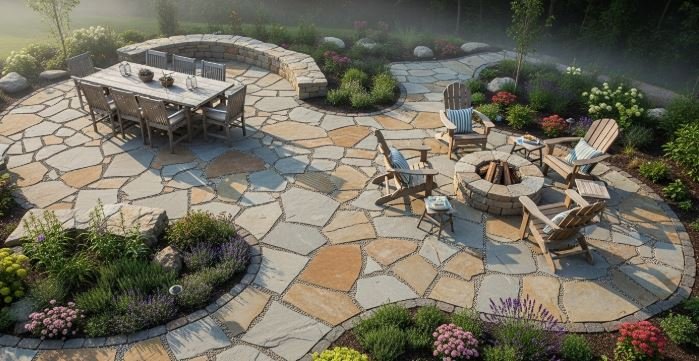
What Is a Flagstone Patio and Why Homeowners Choose It
A flagstone patio is an outdoor surface made from flat, natural stone slabs commonly sandstone, limestone, slate, or bluestone laid over a prepared base. Unlike concrete or stamped pavers, flagstone offers:
Natural variation (no two patios look the same)
High durability with proper base preparation
Excellent drainage when dry-laid
Increased curb appeal and resale value
Flagstone patios perform especially well in moderate to dry climates, but with the right base and slope, they also hold up in freeze-thaw regions.
Planning Before You Build a Flagstone Patio (Critical Foundation)
Choosing the Right Location
Before any digging begins, evaluate:
Drainage: Always slope the patio 1 inch per 8 feet away from structures
Sun exposure: Affects comfort, algae growth, and stone temperature
Proximity to the house: Ensure water flows away from foundations
Selecting the Best Flagstone Type
Each stone behaves differently:
Sandstone: Affordable, warm tones, easier to cut
Limestone: Dense, elegant look, higher durability
Slate: Darker color, smooth surface, premium option
Bluestone: Extremely durable, ideal for high-traffic patios
Flagstone Patio Design & Layout Ideas
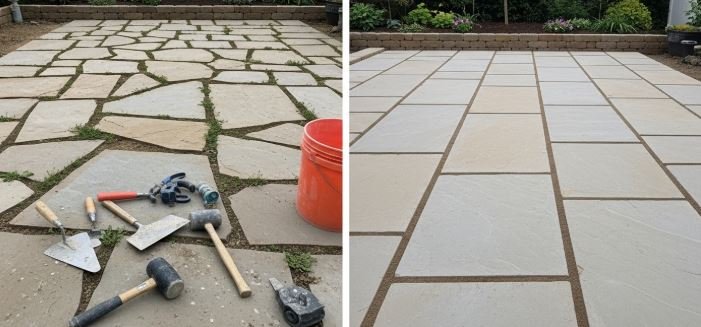
Shapes: Free-form, rectangular, or geometric
Spacing: Tight-fit (minimal joints) or irregular gaps
Borders: Concrete edging, metal restraints, or stone soldier courses
Tools, Materials, and Cost Breakdown
Tools Needed to Build a Flagstone Patio
Shovel, rake, wheelbarrow
Plate compactor or hand tamper
Rubber mallet, level, masonry saw
Materials Required
Flagstone slabs
Crushed stone or gravel base
Bedding sand or mortar
Joint filler (polymeric sand, gravel, or mortar)
Average Cost to Build a Flagstone Patio
DIY: $8–$15 per sq ft
Professional installation: $15–$30+ per sq ft
Cost depends on stone thickness, base depth, labor, and design complexity
How to Build a Flagstone Patio (DIY Method)
Step 1 — Mark and Excavate the Patio Area
Excavate 8–10 inches deep to allow space for base, bedding, and stone. Maintain proper slope for drainage from the start.
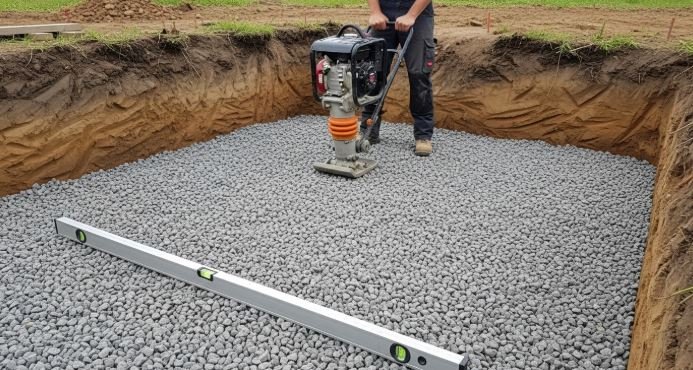
Step 2 — Install and Compact the Base Layer
Lay 4–6 inches of crushed stone, compacting every 2 inches. A solid base is the #1 factor in long-term patio stability.
Step 3 — Add Bedding Layer (Sand or Mortar)
Use sand for dry-laid patios (most DIY projects)
Use mortar for permanent, high-load patios
Screed the surface level while maintaining slope.
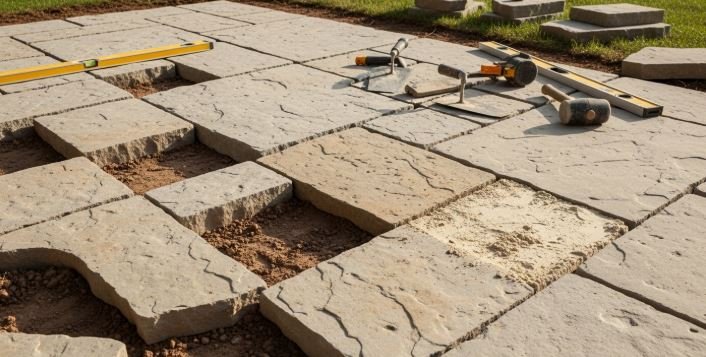
Step 4 — Dry Fit and Arrange Flagstones
Lay stones without setting them to finalize pattern. Adjust sizes, trim edges, and balance visual flow before permanent placement.
Step 5 — Set Flagstones Permanently
Set each stone, tap gently with a rubber mallet, and check level continuously. Small adjustments here prevent major issues later.
Step 6 — Fill Joints and Secure Stones
Choose one:
Polymeric sand: Clean look, weed resistance
Gravel: Natural drainage
Mortar: Maximum rigidity
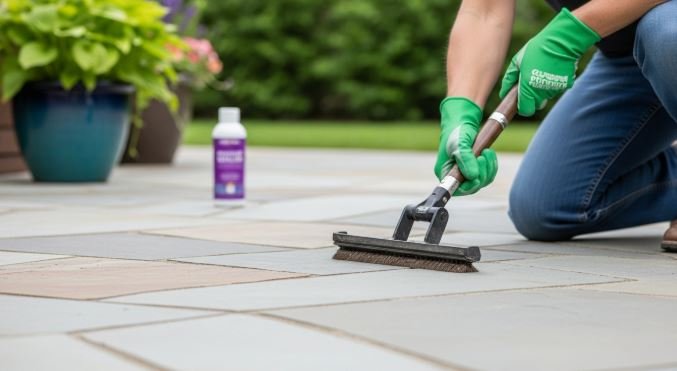
Step 7 — Final Cleaning, Sealing, and Curing
Seal the patio to protect against stains and weathering. Allow 24–48 hours for curing before use.
Different Methods to Build a Flagstone Patio
| Method | Base Type | Skill Level | Durability | Cost | Best For |
|---|---|---|---|---|---|
| Dry-Laid Flagstone | Sand + Gravel | Beginner–Intermediate | Medium–High | $$ | DIY patios |
| Mortar-Set Flagstone | Concrete Slab | Advanced | Very High | $$$ | Permanent installs |
| Grass-Set Flagstone | Soil | Beginner | Low–Medium | $ | Decorative walkways |
Common Mistakes to Avoid When Building a Flagstone Patio
- Skipping proper base depth
- Ignoring drainage slope
- Uneven stone placement
- Using the wrong joint filler
- Poor compaction
Maintenance Tips to Keep a Flagstone Patio Looking New
- Clean seasonally with mild detergent
- Re-seal every 2–3 years
- Replace joint material as needed
- Reset loose stones immediately
How Long Does It Take to Build a Flagstone Patio?
DIY: 2–4 days for 200 sq ft
Professional: 1–2 days
Weather, soil conditions, and stone type can affect timelines.
DIY vs Professional Flagstone Patio Installation
When DIY Makes Sense
Small patios
Limited budget
Simple layouts
When to Hire a Professional
Large or complex designs
Heavy stone types
Long-term structural durability is critical
FAQs About How to Build a Flagstone Patio
How deep should the base be for a flagstone patio?
Typically 6–8 inches, depending on soil and climate.
Can I build a flagstone patio directly on dirt?
No. This leads to sinking and shifting.
What is the best base material for a flagstone patio?
Crushed stone or gravel with proper compaction.
Do flagstone patios need mortar?
Not always—dry-laid patios perform well when installed correctly.
How do you prevent weeds between flagstones?
Use polymeric sand or landscape fabric under the base.
Is flagstone patio cheaper than pavers or concrete?
DIY can be comparable; professional installs are usually higher.
How long does a flagstone patio last?
30+ years with proper installation and maintenance.
Should I seal a flagstone patio?
Yes sealing improves longevity and appearance.
Final Thoughts — Is Building a Flagstone Patio Worth It?
If you want a patio that combines natural beauty, durability, and long-term value, building a flagstone patio is absolutely worth it. Whether you DIY or hire a professional, success depends on planning, base preparation, and execution. Done right, a flagstone patio can last decades and transform your outdoor living space.